
 FIRST MODERN CIRCUS
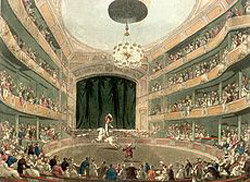 In 1772, Astley went to Versailles to perform his "daring feats of horsemanship" before King Louis XV, and he found France ripe for a permanent show of its own, which he founded in 1782. Also in 1782, a competitor in London set up shop just down the road from Astley's Amphitheatre, calling his show the "Royal Circus," after the Roman name for the circular theaters where chariot races were held. In the 19th century, the term "circus" was adopted as a generic name for this new form of entertainment.
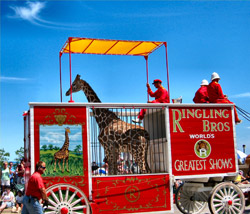
 In 1871, William Cameron Coup and showman P.T. Barnum opened an enormous circus in Brooklyn that they dubbed "The Greatest Show on Earth." Ten years later, Barnum went into business with James Anthony Bailey; the "Barnum and Bailey" circuses were so large they required simultaneous performances in three rings. In 1884, the five Ringling brothers staged their first circus, and they soon were buying out other circus companies, including Barnum and Bailey, which they purchased in 1907. During the next three decades, the Ringling Brothers and Barnum & Bailey Combined Shows grew into the largest touring organization in the world, with hundreds of tents and an army of workers and performers. The Ringling Brothers and Barnum & Bailey downsized after World War II but continues to tour today. Canada's Cirque du Soleil, which gave an artistic sensibility to its acrobatic acts while shunning the use of animals, was an innovative circus development of the late 20th century.